





AI and Mental Health — Can Machines Understand Human Emotions? (2025 Insight) 🧠💬
💭 Introduction
In recent years, Artificial Intelligence (AI) has entered the world of mental health, from therapy chatbots to emotional analysis tools. But the big question remains — can machines truly understand human emotions?
In 2025, advances in emotion-recognition AI, neural language models, and affective computing are changing how we think about mental health care — but not without challenges.
🧠 What Is Emotional AI?
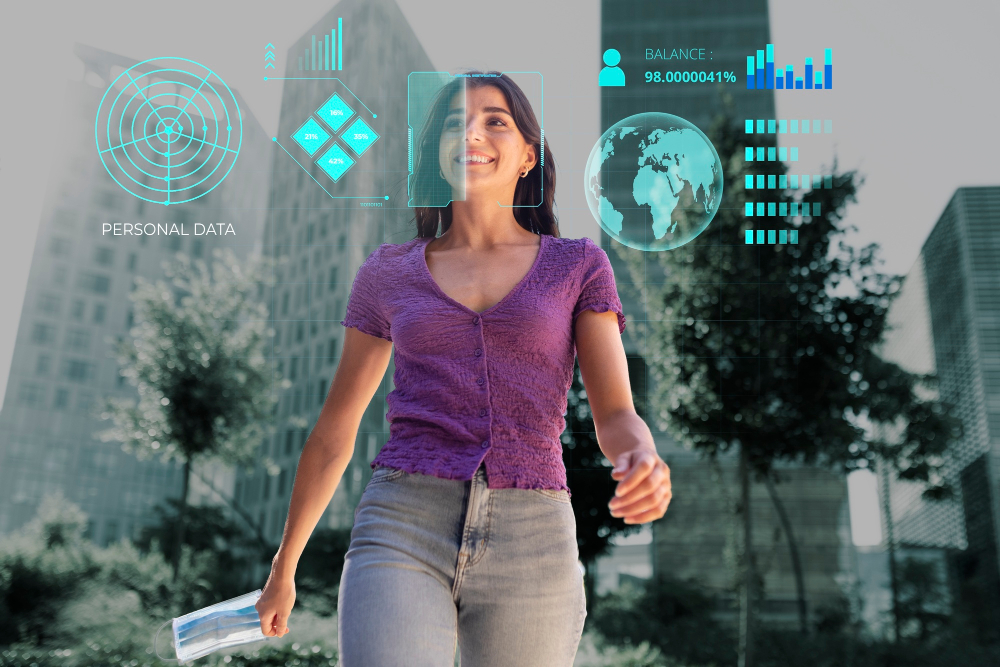
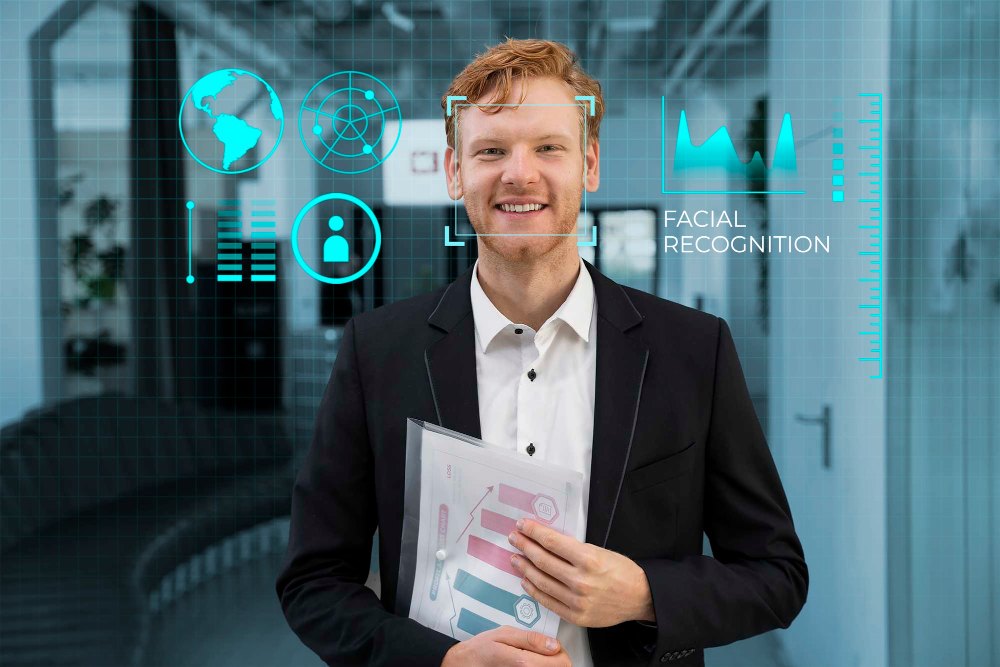
Emotional AI (Affective Computing) is technology that detects, analyzes, and responds to human emotions using:
- Facial recognition
- Voice tone analysis
- Text sentiment detection
- Physiological data (like heart rate and expressions)
Tools like Replika, Woebot, and Wysa use this tech to simulate empathy and provide mental-health support through AI-powered conversations.
💬 How AI Is Helping Mental Health
1. 24/7 Therapy Access
AI chatbots provide round-the-clock emotional support — especially for people who can’t access therapy due to cost or stigma. Apps like Wysa and Woebot guide users through CBT-based exercises and mindfulness sessions.
2. Early Detection of Depression and Anxiety
AI can analyze speech patterns, facial expressions, or social media posts to detect emotional distress early. This allows therapists to intervene before a crisis happens.
3. Personalized Mental-Health Plans
By processing large data sets, AI can predict mood patterns and suggest customized self-care plans — improving outcomes for users struggling with anxiety or stress.
⚖️ The Limitations — Can AI Really Feel?
Despite all progress, AI still doesn’t feel emotions — it only recognizes patterns that mimic human empathy.
- It can detect sadness but doesn’t understand why you’re sad.
- It can suggest coping mechanisms, but not connect emotionally.
- Its responses are based on algorithms, not actual compassion.
This is why AI should support, not replace, human therapists and counselors.
🔐 Privacy and Ethical Concerns
AI mental-health tools often process deeply personal data — from chat histories to biometric signals. This raises major privacy questions:
- How is emotional data stored?
- Who owns it?
- Could it be misused by corporations or insurers?
Ethical AI design and strong data-protection laws are essential to keep emotional AI trustworthy.
🌈 The Future of Emotional AI in Mental Health
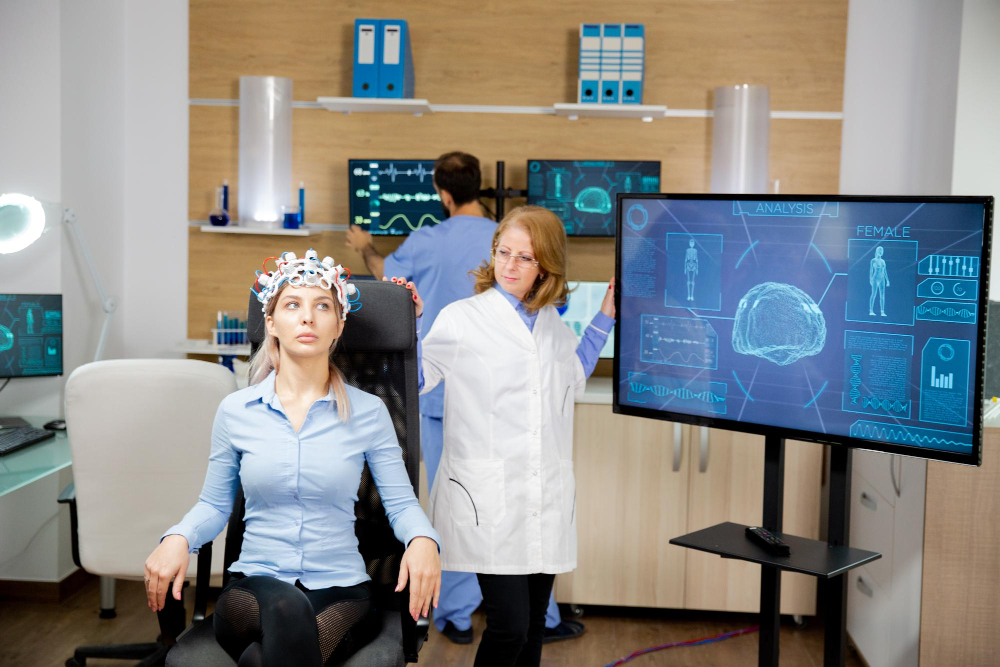
By 2025 and beyond, AI is becoming more empathetic, context-aware, and personalized. Future systems may even use brainwave analysis (EEG) or heart-rate sensors to detect emotional shifts in real time — giving therapists deeper insights.
However, the real breakthrough won’t come from AI feeling emotions, but from AI helping humans manage emotions better.
❤️ Final Thoughts
AI can’t replace empathy — but it can amplify access to mental-health support, reduce stigma, and help millions who suffer in silence.
The key is balance: machines for data, humans for empathy.
In the end, the best mental-health care will likely come from a human-AI partnership — where technology listens, and humans heal. 🌿